
‘Take your time, I have a book with me’
What a marvellous year in books.
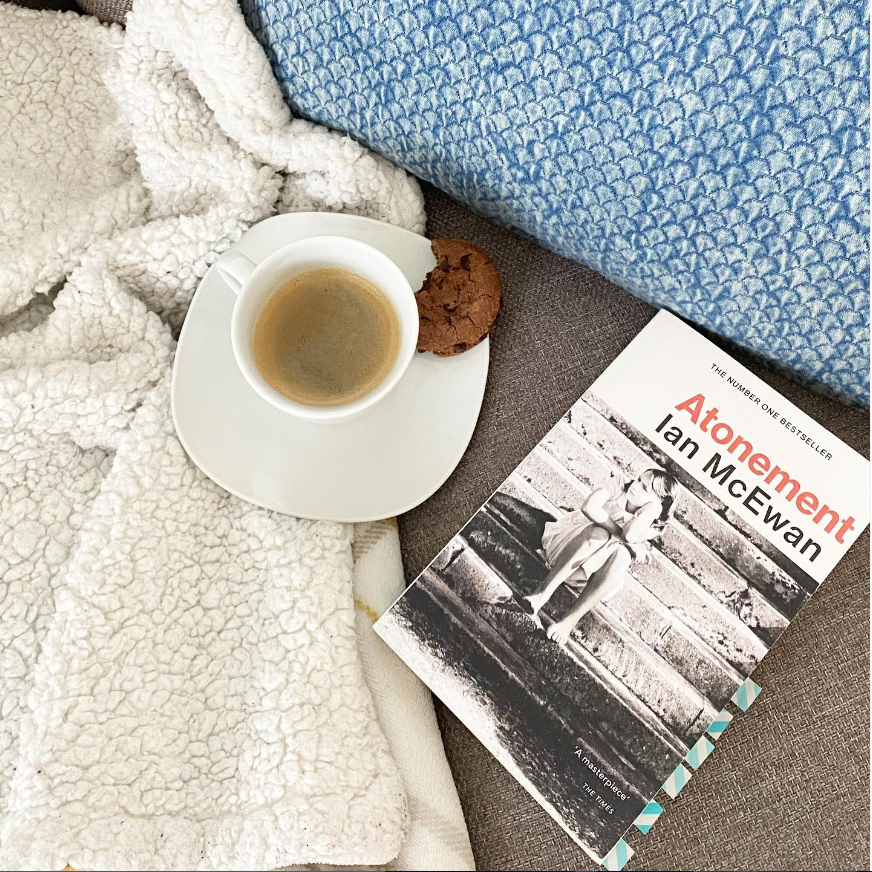
I got to see Ian McEwan, R.F Kuang and Deepti Kapoor all speak right here in Zürich.
I discovered a few indie bookshops, wiled away pages and cups of coffee at several new reading nooks in the city and rarely left the apartment without a book.
I did leave my pen at home though. Despite hiting a couple of writing milestones early in the year – finally distributing my first collection of poetry back on Amazon, outlining the second one, sought accountability partners, started actually writing (!)..I ultimately had to prioritise differently. As much as it pained me to say no to opportunities to review, contribute or submit, it also allowed me to cap my pen, guilt-free.
This also meant that my first love, reading, got the sort of attention that’s enriched this year’s reading wrap up. I hope you enjoy reading it as much as I enjoyed putting it together. 📚
Let’s break down this post..
All about reading goals over the years, followed by four booklists – 1. this year’s fiction favourites 2. this year’s non-fiction favourites 3. a few more books I think you should check out, and finally 4. books that will appeal to the mood-readers amongst you. If you’re not into long-form, just click here for the summary.
- On reading goals
- Thanks for the context, but can I JUST have the lists?
- Top Fiction
- Top non-Fiction
- Honourable Mentions
- Books to escape reality with…
On reading goals
Reading Goal 71/70 in 2024. When I see the bookfluencers (yes this is a thing..) talking about 100+ books they’ve read on social media. I am always in awe but know immediately this is not for me. For this goal at least, I have found my happy plateau. At 70 books a year, reading accompanies my life but isn’t the main character. Loved ones know to optimise presents towards books, train rides and the queit luxury of reading surrounded by stunning vistas but also know to hold me accountable to all the other things I say I want to do. As all permanent habits invariably are, here is the years’ long journey to the summit of this goal
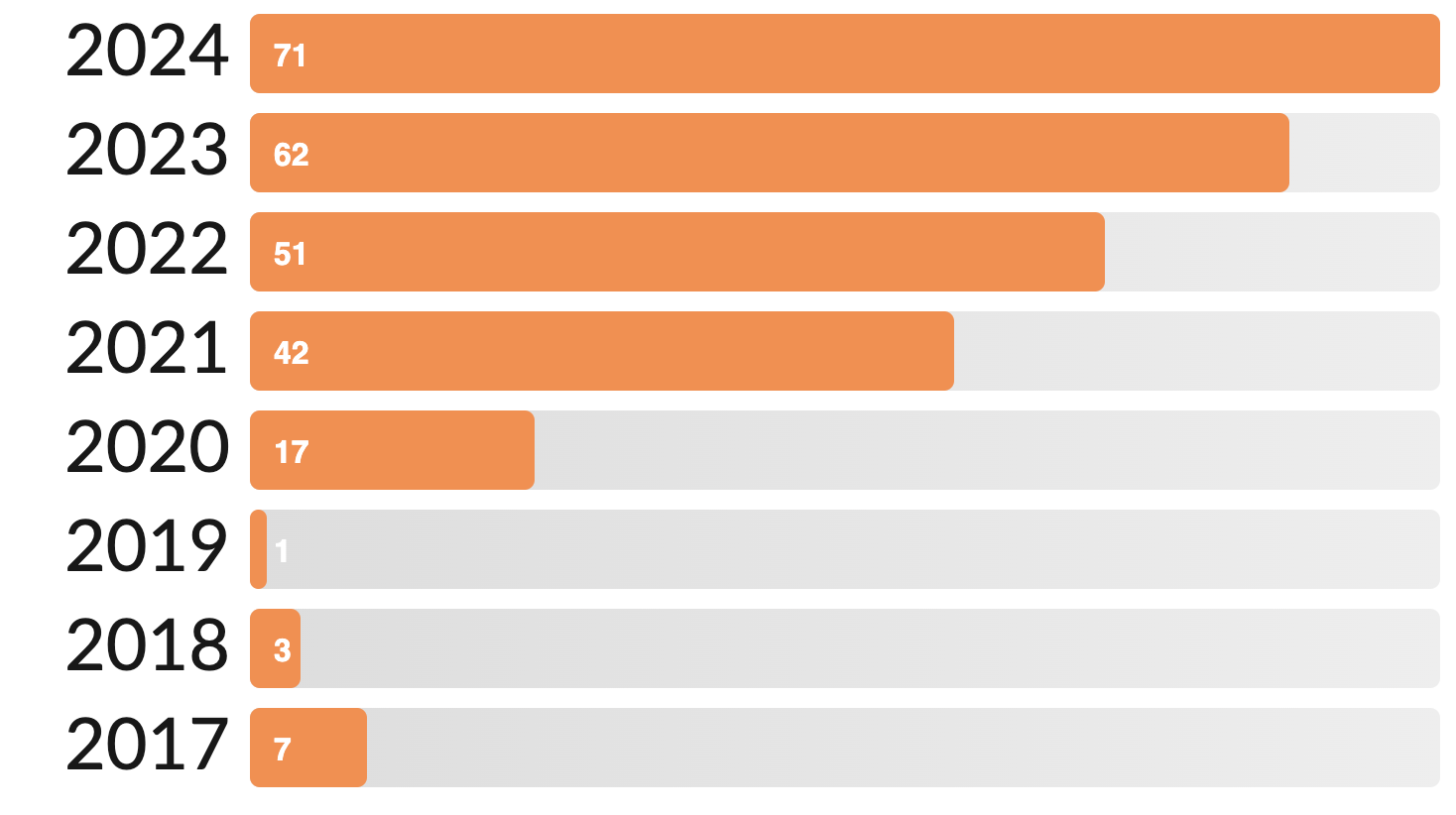
My reading choices were more pick than mix this year…stubbornly fiction-leaning, however with a lot of poetry thrown in and one German graphic novel. In 2025 I want to better diversify this mix- and duh, these goals are measurable.
2025 Reading Goals
- Read 70 books
- At least 15% of these books should be non-Fiction (i.e roughly ten books)
- Read TWO books in German (pictures optional)
- Re-read more books (starting with the Harry Potter series)
- and as always…read more poetry, aiming for twelve volumes this year (1 book a month)
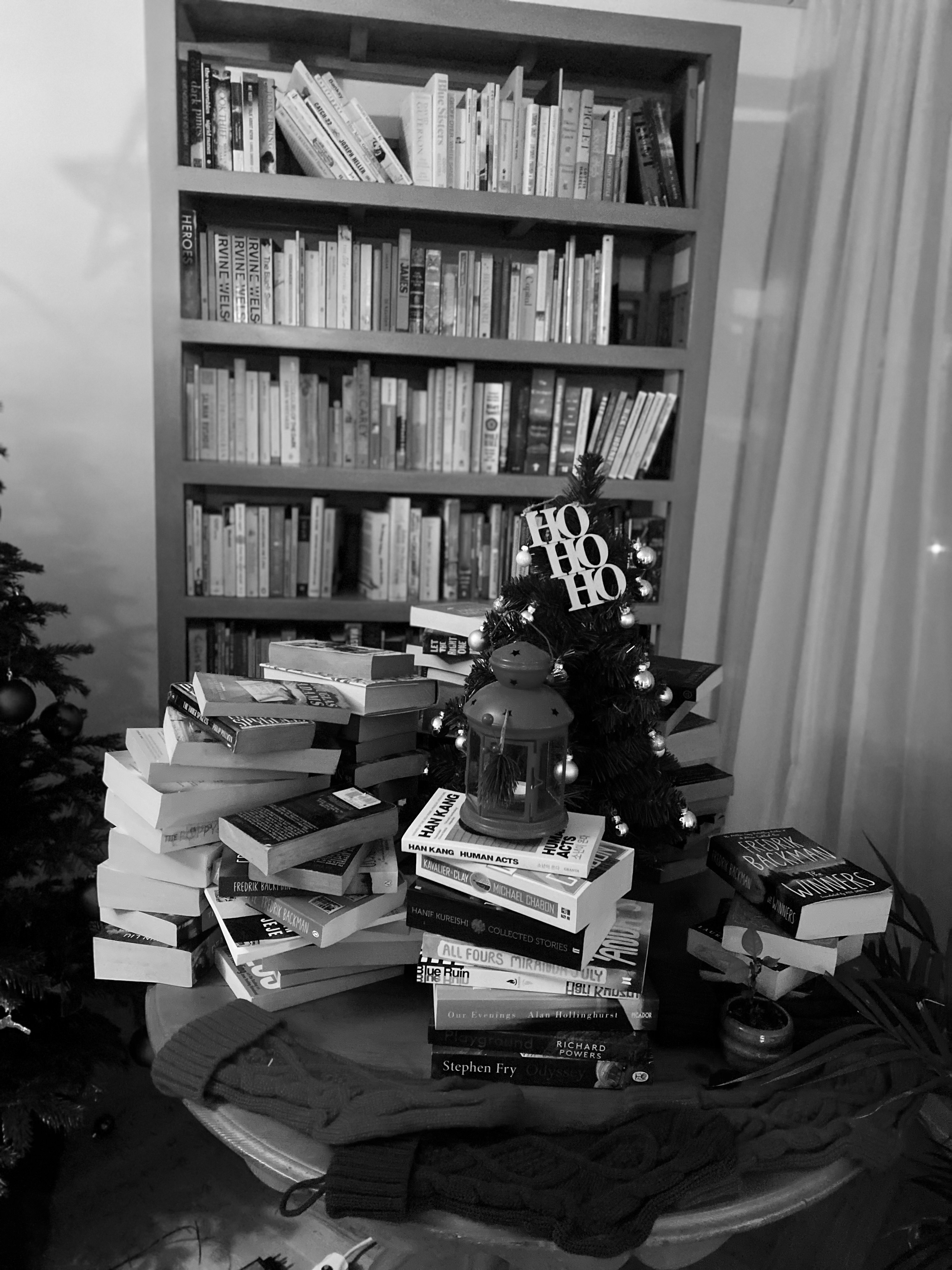
TBR table in disarray during an after-hours shelf rubix-cubing sesh…
Thanks for the context, but can I JUST have the lists?
Top Fiction
- The Friend by Sigrid Nunez
- We Have Always Lived in the Castle by Shirley Jackson
- A Visit from the Goon Squad by Jennifer Egan
- The Covenant of Water By Abraham Verghese
- James by Percival Everett
- Martyr by Kaveh Akbar
- Beartown by Frederik Backman
- Yellowface by R.F Kuang
- The Great Believers by Rebecca Makkai
- Brotherless Night by V.V. Ganeshananthan
Top non-Fiction
- Shape Up by Ryan Singer
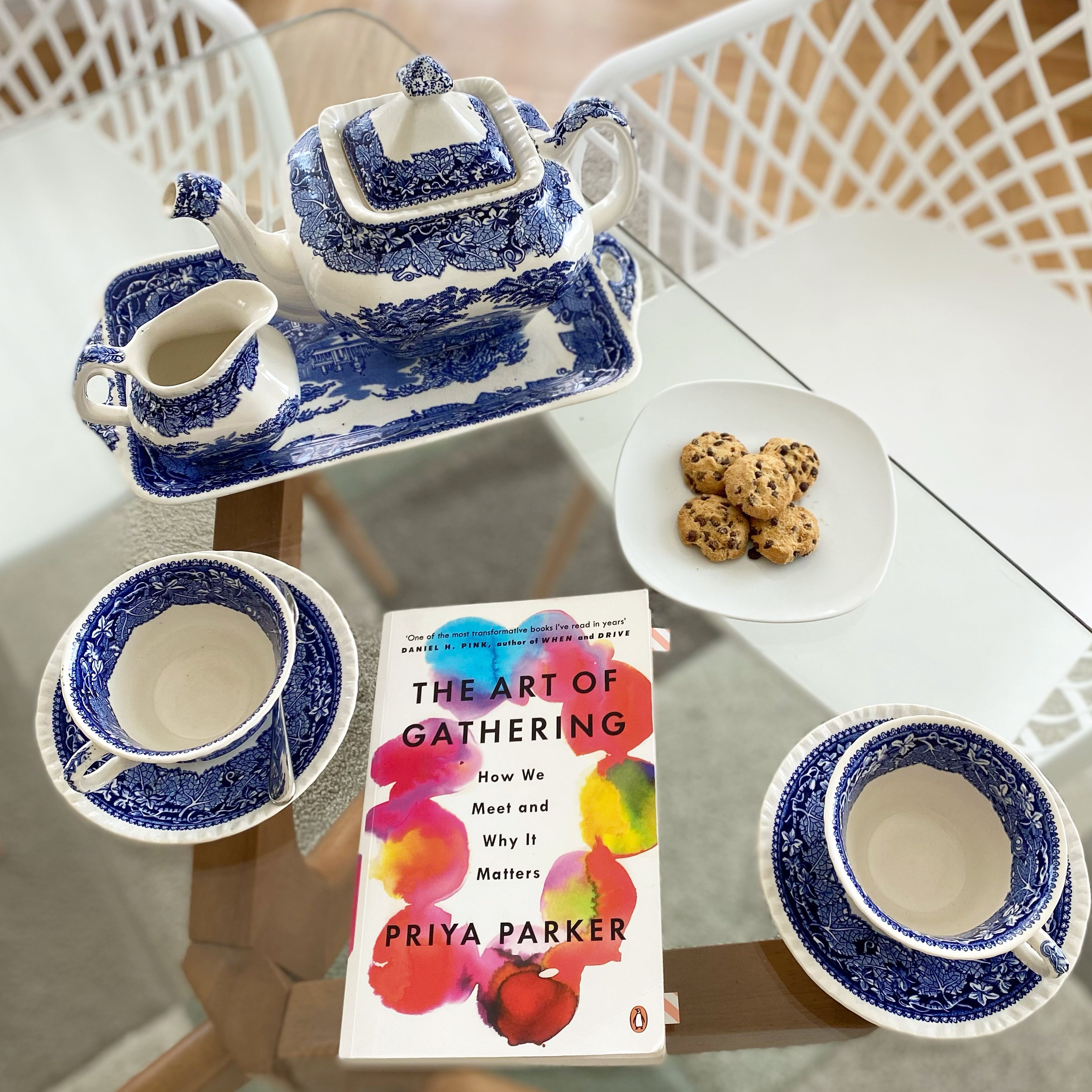
- The Art of Gathering by Priya Parker
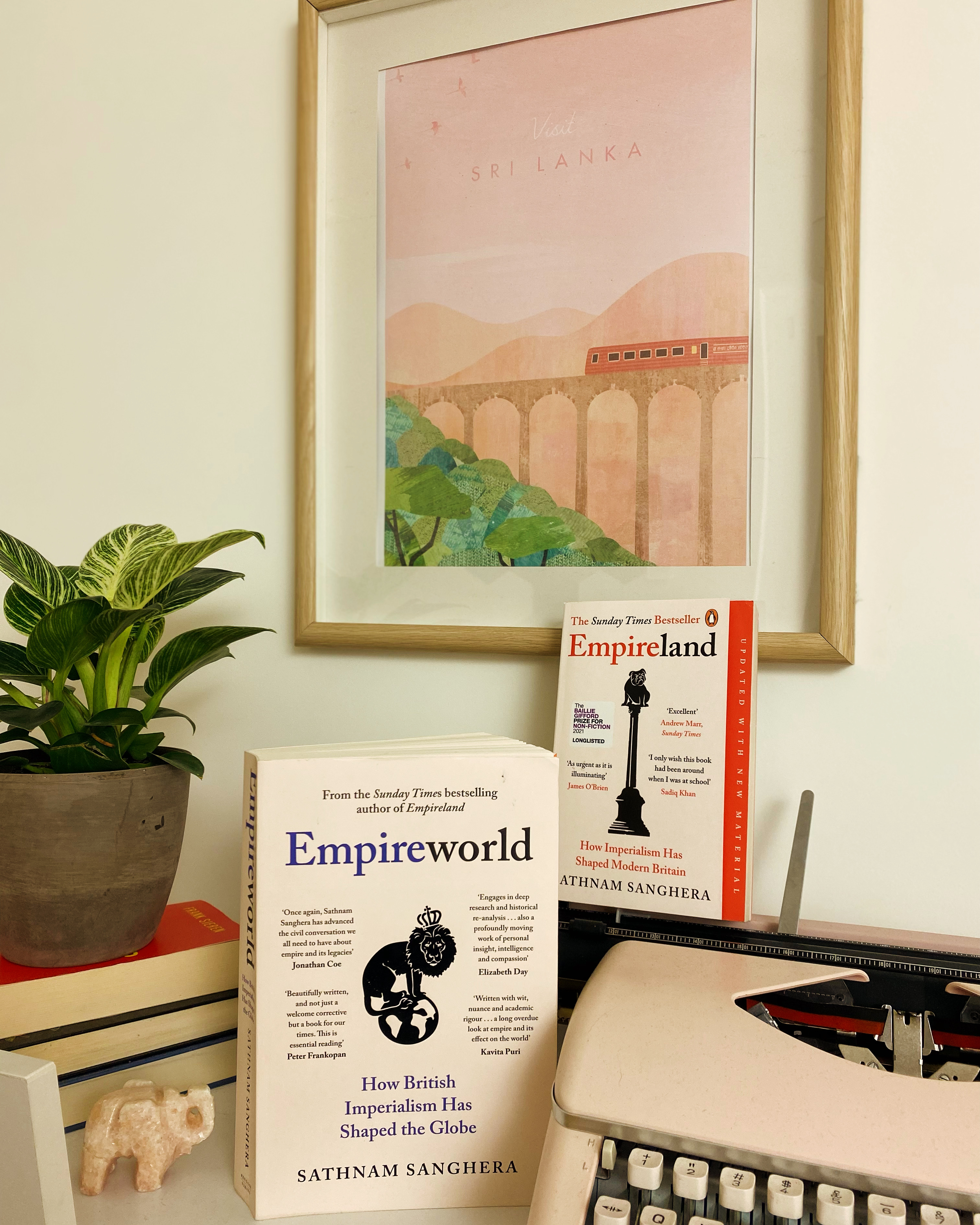
- Empireworld by Sathnam Sanghera
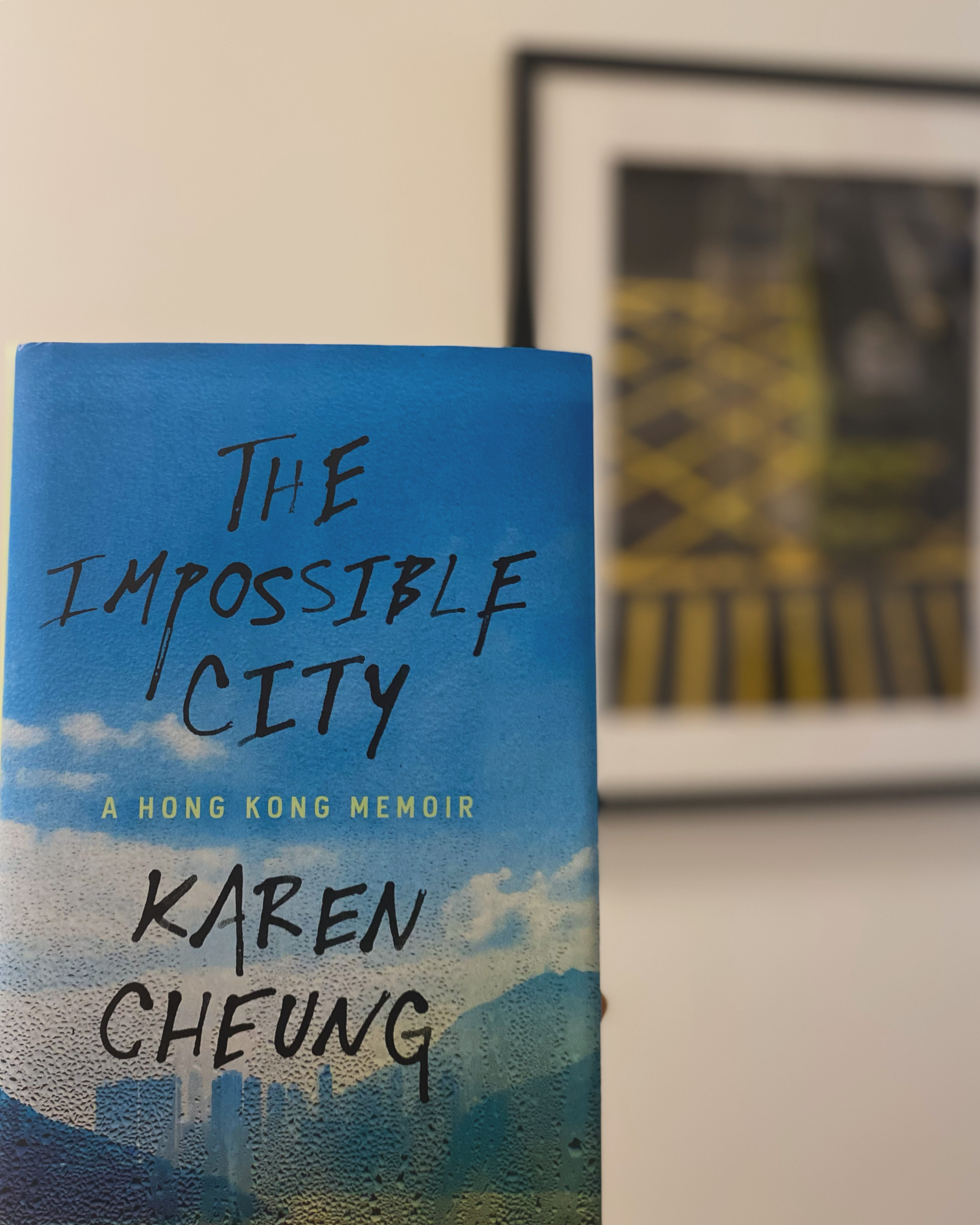
- Impossible City: A Hong Kong Memoir by Karen Cheung
Honourable Mentions
- Reading Sri Lanka
- The Seven Moons of Maali Almedia by Shehan Karunatilaka
- Reef by Romesh Gunesekera
- A Passage North by Anuk Arudpragasam
- A Story of a Brief Marriage by Anuk Arudpragasam
- Brotherless Night by V.V Ganeshananthan
- Anil’s Ghost by Michael Ondaatje
- We Should all be Feminists by Chimamanda Ngozi Adichie
- Letters to a Young Poet by Rainer Maria Rilke
Books to escape reality with…
- The Spell Shop by Sarah Beth Durst
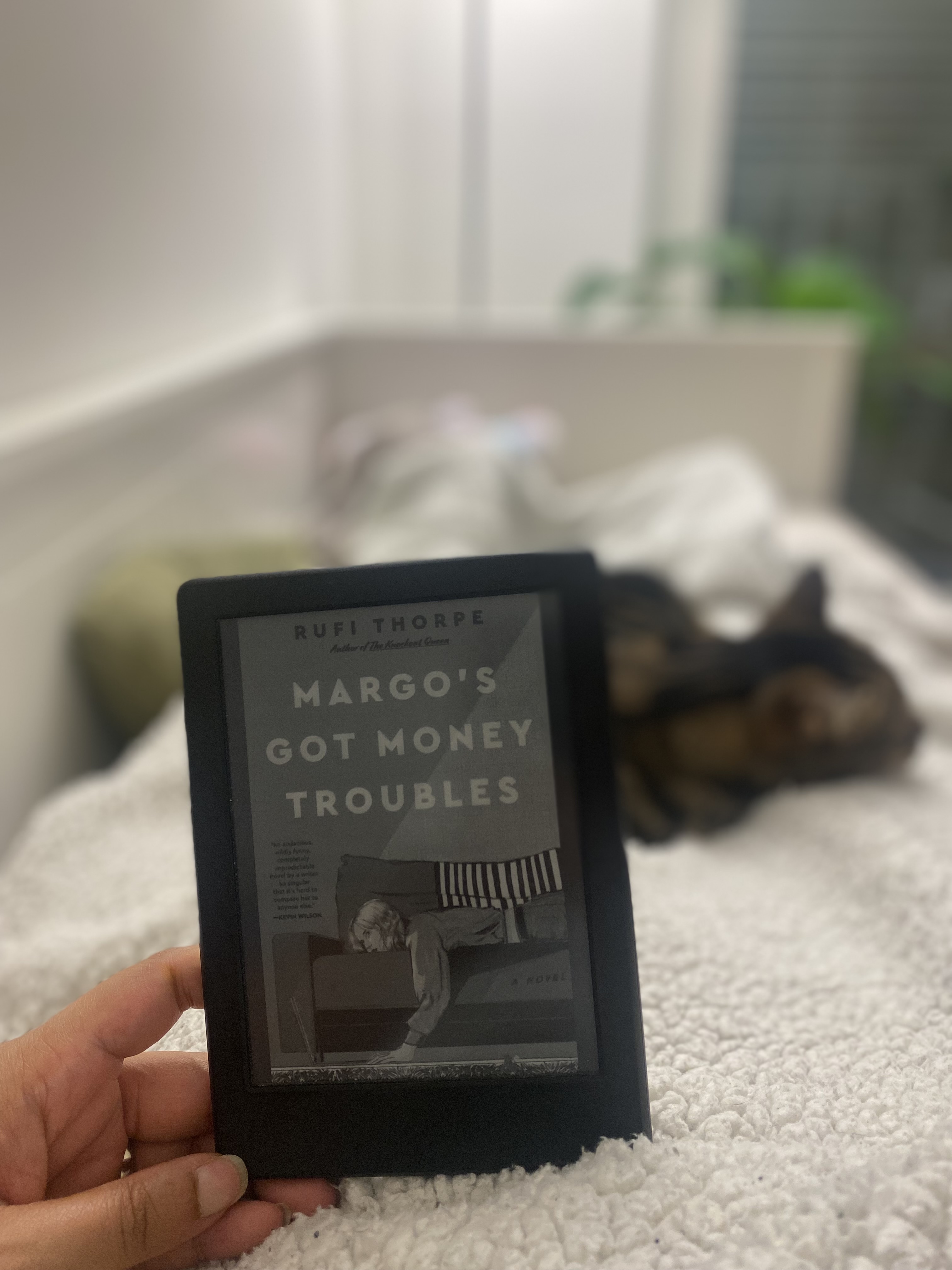
- Margo’s got Money Troubles by Rufi Thorpe
- All Souls Trilogy by Deborah Harkness
- Age of Vice by Deepti Kapoor
- All the Colours of the Dark by Chris Whitaker
- Shades of Grey & Red Side Story by Jasper Fforde
- A Psalm for the Wild Built by Becky Chambers
Top Fiction
FYI all review text and imagery lifted from my bookstagram https://www.instagram.com/nashuagallagher/
10. The Friend by Sigrid Nunez | ★★★★☆
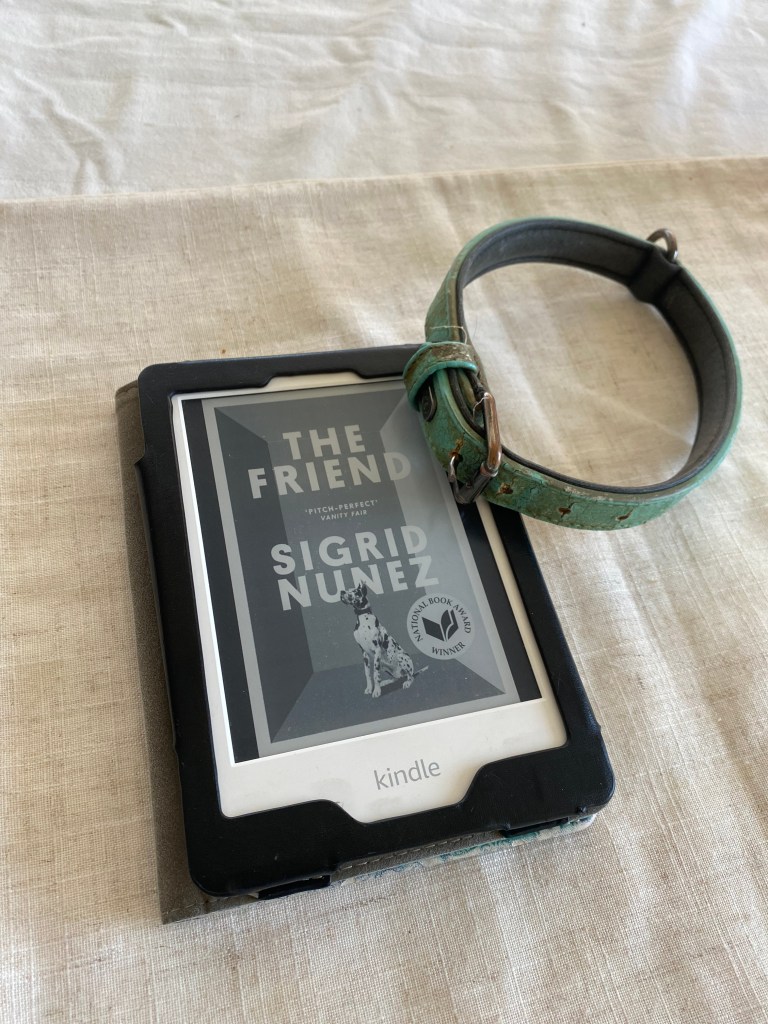
Self-inflicted torture to read this in the week I knew we would be bidding our family dog farewell. Nunez writes about and around animals so beautifully (as seen in The Vulnerables). Of the human animal, she writes with emotional resonance – characters are complex, accessible, with a whiff of satire. This book swirls companionship into grief, and the many shades it leaves one to paint with.
9. We Have Always Lived in the Castle by Shirley Jackson | ★★★★☆

So it turns out I never reviewed this one – it’s a charming, acerbic tale of two sisters with a dollop of noir. This book is short, strange with Tim Burtonesque delight. It is unapologetic escapism and leaves a late-summer blackberry stain sort of impression that takes me back to every sweet and spiky odditiy of this read as I write this at the end of December. It’s a tidy little cult classic, I understand why it is loved for its bizarre and ferocious homage to sisterly fealty.
8. A Visit from the Goon Squad by Jennifer Egan | ★★★★☆
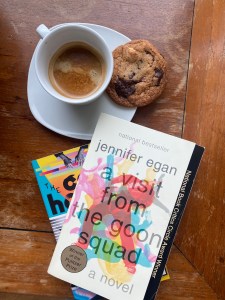
has been on my list since I read The Candy House. Both books sit apart for their immersive POVs, at times wildly creative and fabulously effective (AVFTGS has a whole chapter written in the style of a powerpoint presentation.) Fast-paced and for all its bells and whistles it really cuts to the bone of human experience – its insecurity, miseries and joys.
7. The Covenant of Water By Abraham Verghese | ★★★★☆
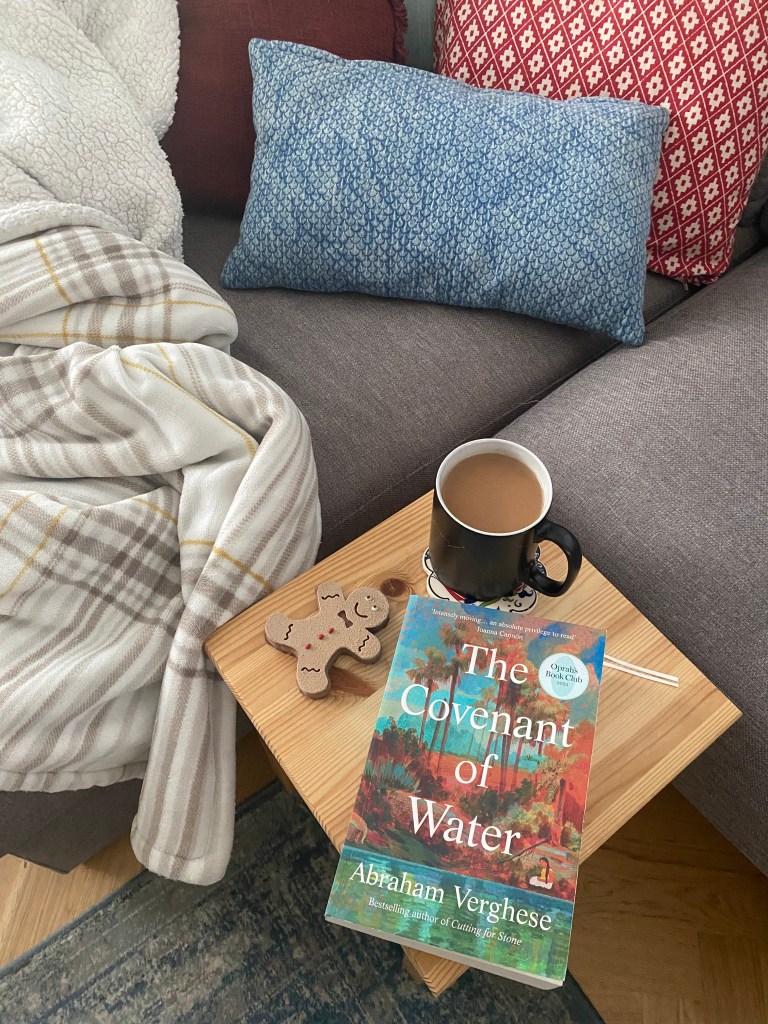
Connected by water, or selective aversion for it, this novel is a sprawling multigenerational tale of a family from the St Thomas Christian community in South India. Intersecting colonial India with post-independence India. The plot is predominantly centred on the life of matriarch, big Ammachi, opening with her at age twelve, and about to get married. As a South Asian, I found this book familiar and deeply satisfying for its setting in a time and place that few fictional accounts have taken me to. This is a fascinating part of history, from the lens of colonialism, modernisation, politics, women’s rights and medical theory and advancement. The 700 plus pages flew by, they were unexpected, and although tinged with tragedy, ultimately warming.
6. James by Percival Everett | ★★★★☆
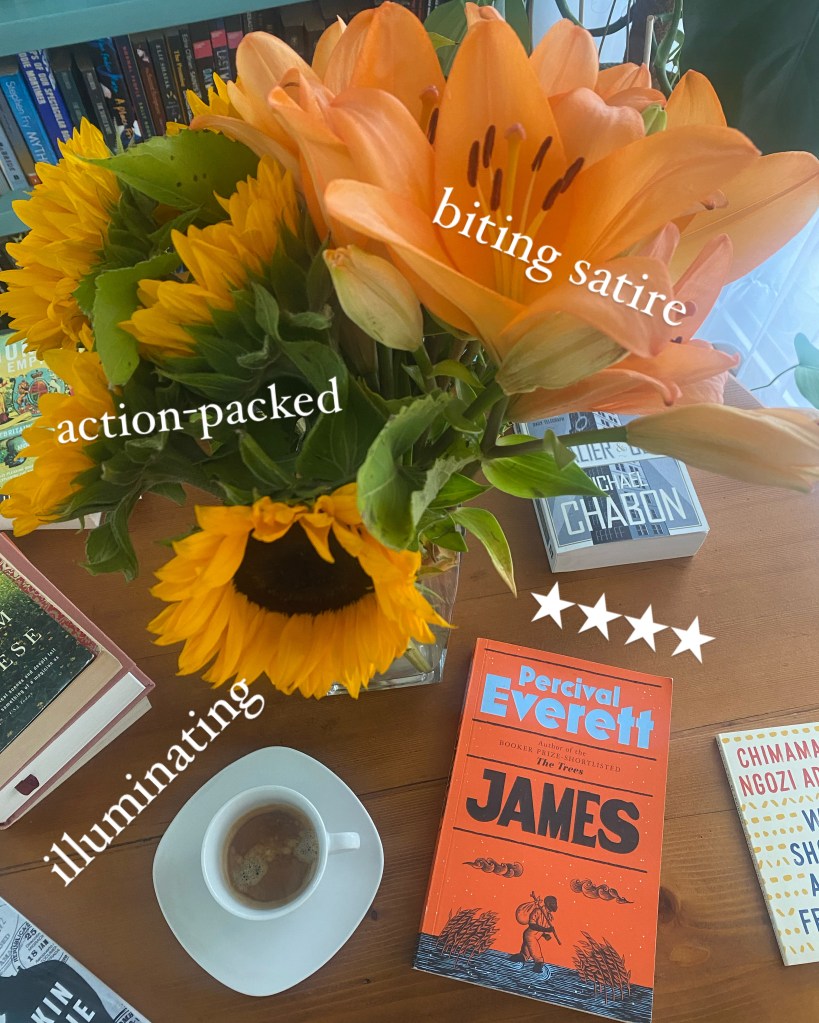
All I knew going into this novel is that it’s a reimagining of Tom Sawyer from the perspective of Jim, Huckleberry Finn’s enslaved sidekick. I did not know how much concurrency to expect with the original and just like with Barbara Kingsglover’s Demon Copperhead, it doesn’t actually matter as this book stands by itself. What I got the most from it was the contextual visibility of a white child and an enslaved person just before the American civil war broke out. It changes the tone of the novel from childlike fancy and adventure to one of escape and urgency. A riveting, satirical, powerful journey that takes James from sidekick to the stuff of legend.
5. Martyr by Kaveh Akbar | ★★★★★
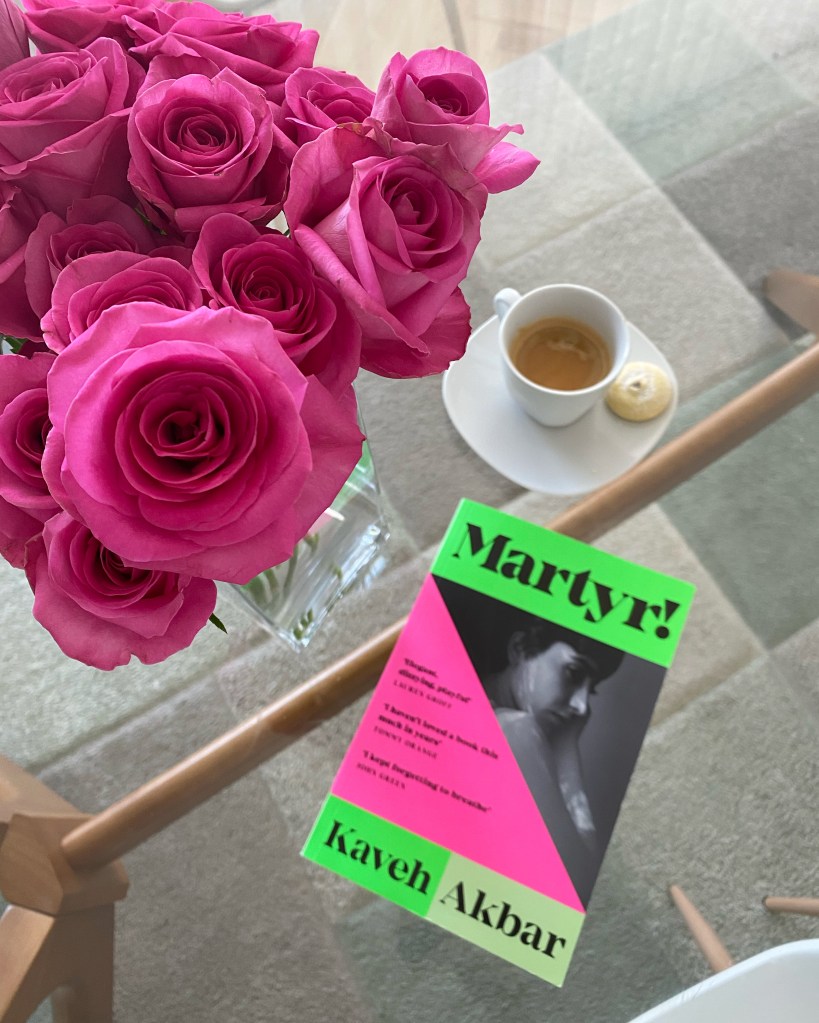
Addiction, art, identity, immigration – guttural in its poetry, and stayed with me for weeks after reading it. Immersive, devastating, crude and rich turning me into a blubber of adjectives that I hope scream – read this book. The plot has a gentle undercurrent with excellent payoff which poetically-inclined books don’t often achieve. This one did, and was definitely one of my favourite reads this year.
4. Beartown by Frederik Backman | ★★★★★
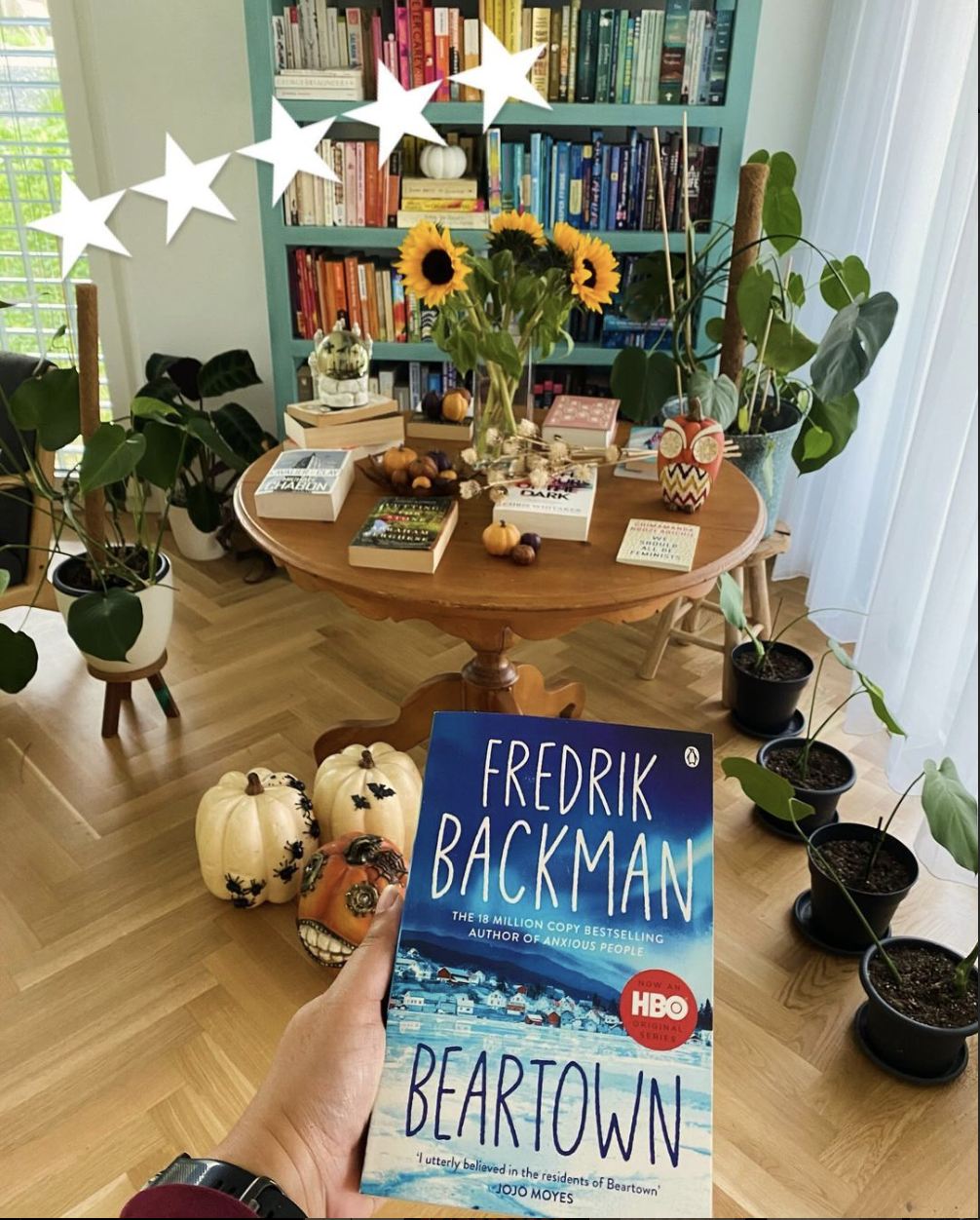
I don’t know what I expected of Beartown, but not for this unassuming book to have me by both heart and throat. It’s essentially a small-town hockey story that goes terribly wrong when a violent act exposes the precarious foundations of the town. The first half of the book foreshadows this act, going into detailed backstories of so many of the residents of Beartown. As a reader, I was hooked, suspecting everyone guilty until proven innocent. Perhaps this is a stronger statement to a more nuanced truth about the complicity around rape culture. This book asks us to consider if dignity and justice are ever conditional. It is careful to not preach, or create a good vs evil narrative. Instead it paints the characters as they are – nobody is condemned or absolved from the author’s pen. It is a part of a trilogy which I am sure to devour, but this book already stands apart. It evokes empathy and gently points out the ills of societal messaging when a town’s pride is rooted in a specific monoculture. One of my most highlighted and annotated books, and will be one of the most recommended of the year.
3. Yellowface by R.F Kuang│★★★★☆
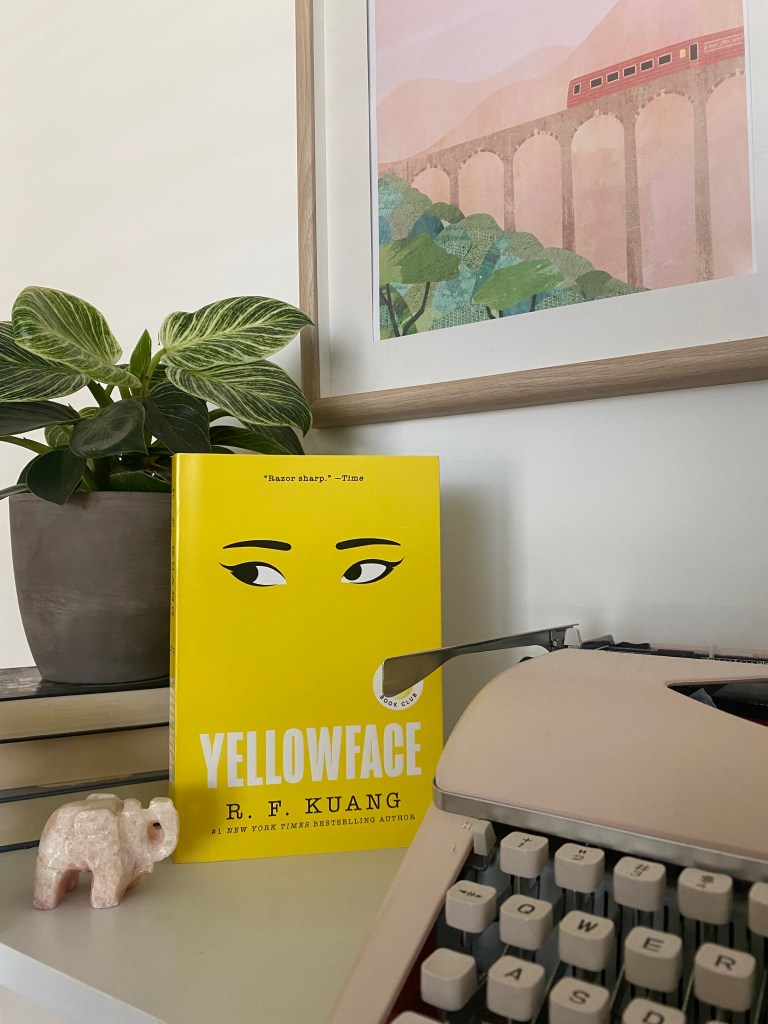
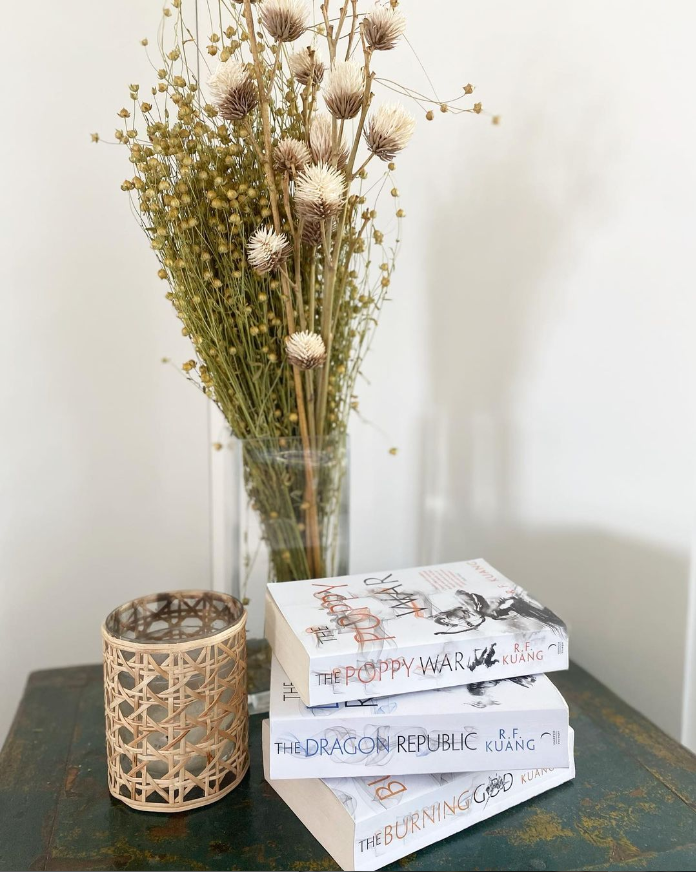
I have experienced Rebecca Kuang’s casual gore, torture scenes, plot knife-twists and pacing mastery in both the Poppy War triology and Babel. None were as painful as the mental papercuts of her merciless cursor’s satire in Yellowface. The novel revolves around a stolen diasporic manuscript from a recently deceased Chinese-American author, passed off as the white protagonist’s own work. The first person narrative had at times, fingernails on chalkboard appeal. The acerbic jealousy, self delusion and casual othering was masterfully discomfiting. (Much of this was self-inflicted, as I inhaled this book in a couple of sittings.) Perhaps one of the most insidious parts of this novel was the casual complicity of supporting characters, particularly in the publishing industry. This was a withering and necessary takedown of baseline (…uh basic) attitudes which uphold a rather wet, saggy status quo. Kuang’s voice and writing has been a welcome addition to mainstream reading, not because it’s ‘diverse’ but because these are damned good stories, and ones I want to read.
2. The Great Believers by Rebecca Makkai | ★★★★★
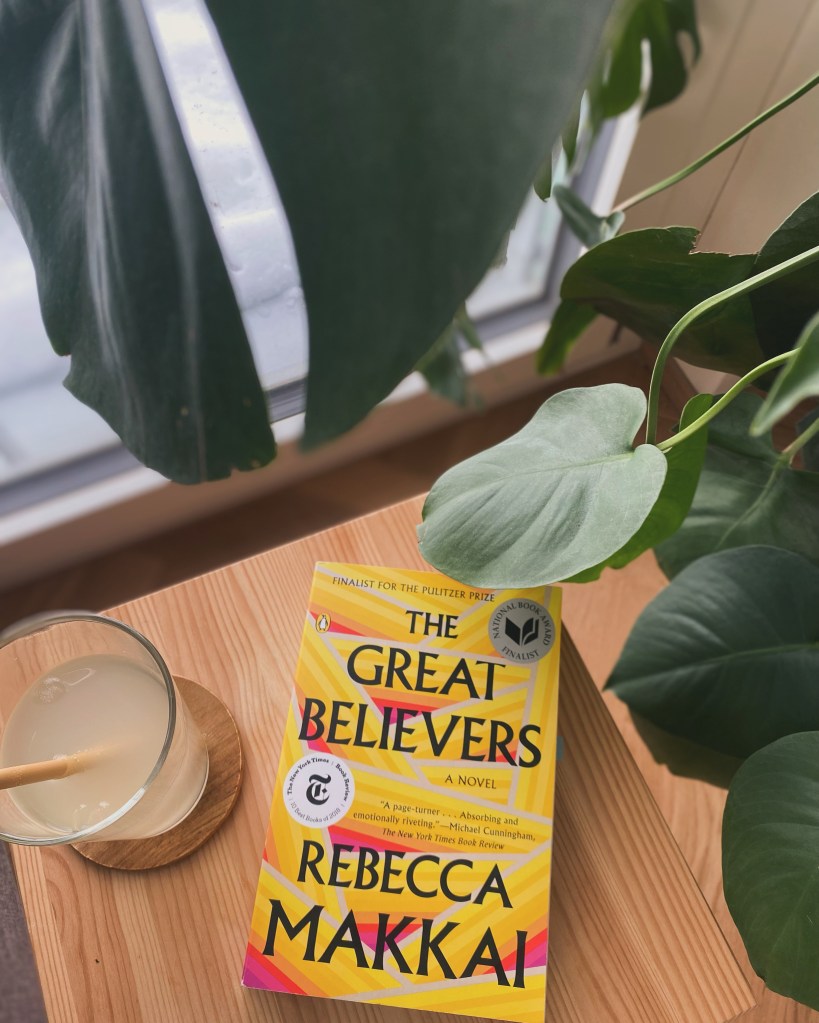
Set in Chicago in the 80s, in the midst of the AIDS crisis, this book follows a group of friends’ whose interconnected narratives pulse through the decades. Reading this is taking a sharp turn past poignant into devastating.The story is handled with delicacy and care yet pointed in its illumination of societal stigma and neglect. This book really made me consider what a privilege it is to be allowed to grow old. That marginalisation leads to inhumanity. It made me reflect on the ways we still see this played out in the world today. Required reading.
1. Brotherless Night by V.V. Ganeshananthan | ★★★★★
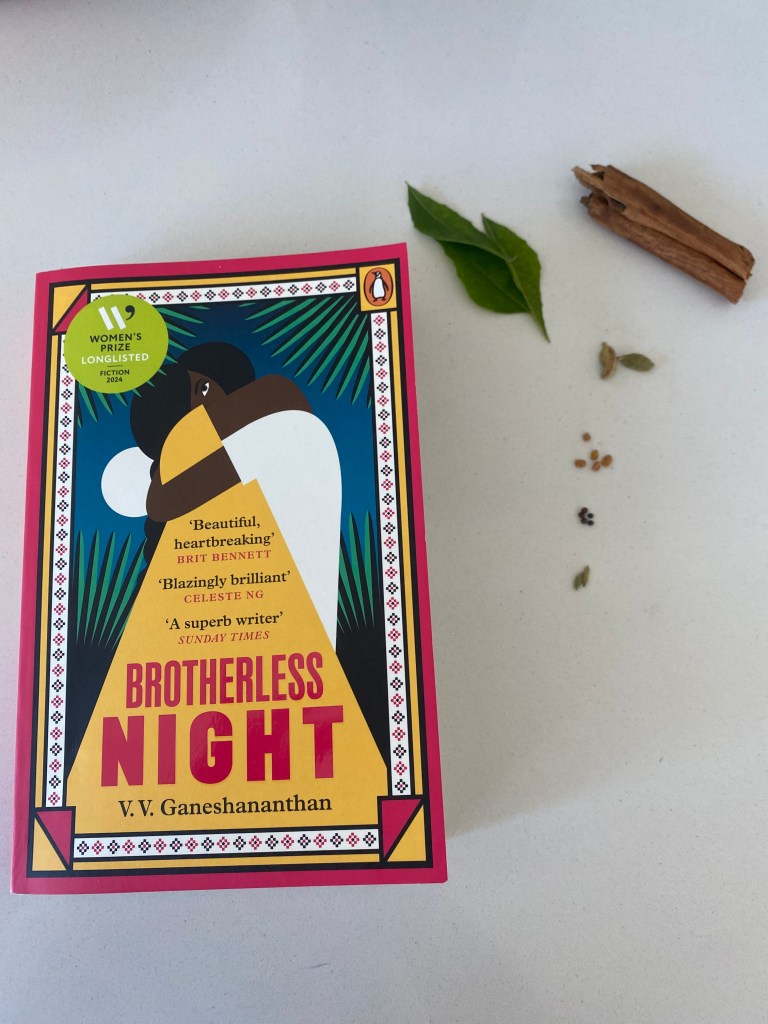
When so much of your country’s history is steeped in colonial legacy, then immediately fraught with political violence and civil war around the time of your birth, many adults don’t take the time to explain any of it beyond – good, bad, right, wrong. I have been chasing the nuance of Sri Lanka’s history for most of my adult life and have read several excellent novels that have helped me piece it together. I consider this one required reading. This is the story of Sashi and her brothers but for me it was a lens into societal pressure-cooker before the war. The sins of discrimination and cultural erasure staining earth red for generations to come. Read it in the present global context, read it in the past context. Just read it, and then talk to me about it for hours please. Pictured with some whole spices often used in Sri Lankan cooking, my most prized heirlooms.
Top non-Fiction
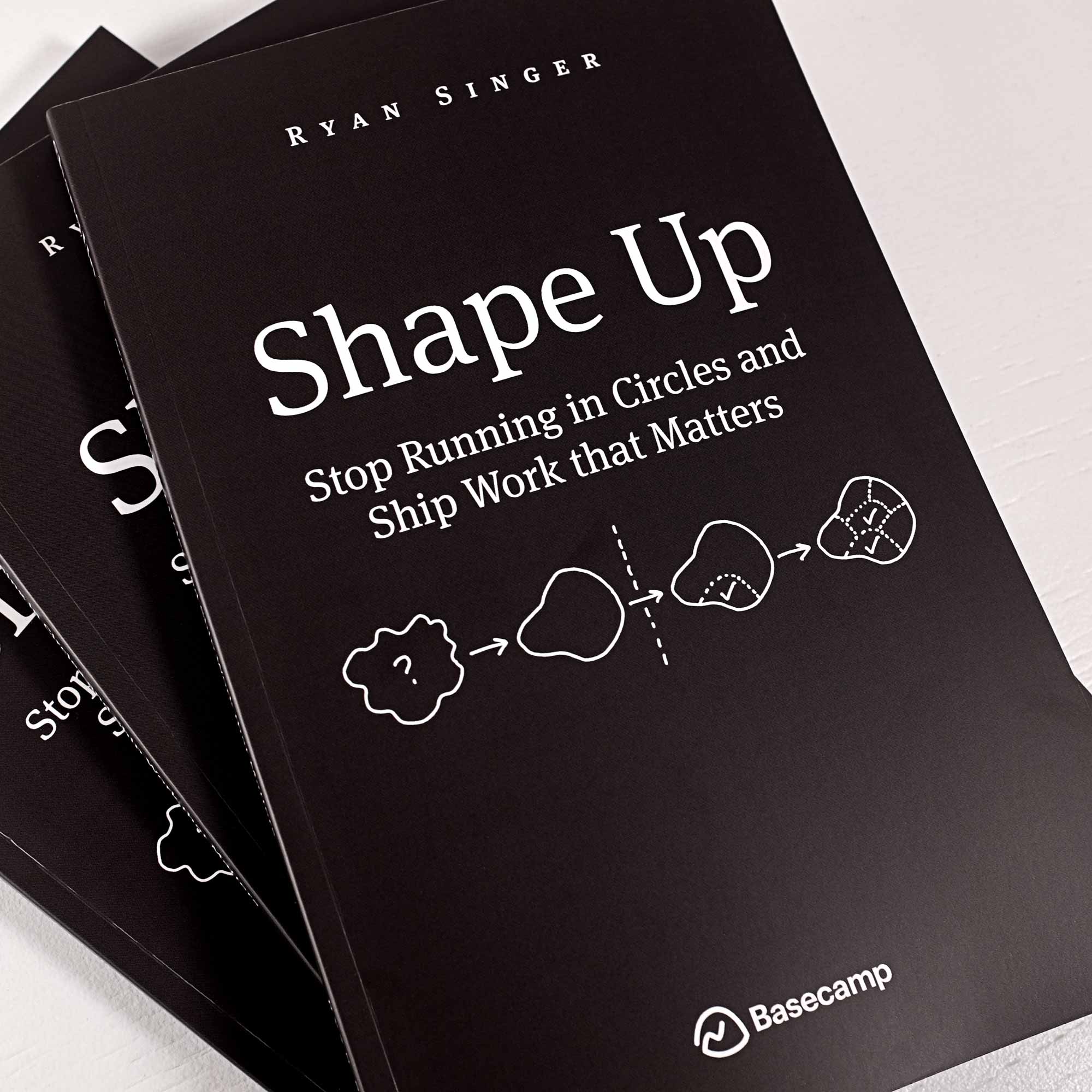
Shape Up by Ryan Singer | ★★★★☆ For a cross-functional organisational set up, it had some good things to say about how we might tame our information flows, decide what the right level of fidelity and abstraction is, and all in all setting up boundaries that enables teams and their work. A useful, practical (and short!) read on process, learnings and action even if the operational model is not something you embrace, there is still value to take from it.
The Art of Gathering by Priya Parker | ★★★★☆
Was gifted to me by a dear friend who likely knew that the lessons in this book transcend dinner parties, and will benefit your next workshop, meeting or planning committee. It gives one practical ways to really determine and activate the purpose behind any sort of gathering, and the tools, suggestions, etiquette and observations to achieve this. I loved it and felt everyone could get something out of this book.
Empireworld by Sathnam Sanghera│★★★★★ The follow up to the context-making Empireland which distils how empire and colonialism shaped modern British identity, and de-anonymised much of the shared history with its former colonies. Raised in an ex-colony at times inexplicably felt like growing up in somebody else’s holiday home, and Empireland connected the dots to why this might have been the case. This new book is a proverbial ‘hold my beer’ to this sentiment. It extends Empireland’s premise to the impact the British empire had on the rest of the world. Parts of this were familiar but surprising for its scale and concurrency across the period. For instance the mass import of tea and plants and its impact on the natural world, commerce and capitalism. Or the echoes of governmental and judicial frameworks, some of which I experienced myself as a Hong Konger, and a planted legacy of attitudes of everything from LGBTQI to indentured labour. Some might be annoyed at the bibliography and index taking roughly a third of this book, but there is so little in contemporary discourse about this topic that I appreciate the reading list. Having adopted a nomadic sort of existence with a weak passport is a baffling, sometimes frustrating existence – so much of my on-paper modern identity was conceived by forces before my time. In a tendency supported by my inching towards middle age, my writing has taken on this flavour more often these days. Sanghera’s section on the Commonwealth was unexpectedly touching, sharing a vision on its modern-day purpose that I won’t spoil, but makes a lot of sense in the context of the book. For the criticism I expect to pour in, it’s absurd to expect impartiality given past atrocities and the global structural inequality it has led to. This book does not, nor should it administer an itemised verdict of the ills or virtues of empire. In my reading anyway, it provided an understanding of history from the perspective of not just the victor.
Impossible City: A Hong Kong Memoir by Karen Cheung | ★★★★★
Few things have captured the mood of the city, twinned in hope and despair during ‘the revolution of our times’ in Hong Kong in 2019 as well as this book. Although this phrase was widely used in 2019, the Umbrella Movement in 2014 is where this character of Hong Kong bubbled up like a pressure cooker hiss and left a permanent impression on me and many of us who grew up in Hong Kong. I did something I rarely do when I read a book, especially by someone I know. I reached out before I was even halfway through to tell her how much I was enjoying it. The sharp pen of an editor, the soft commas of a poet, drawing a lattice in which inequality, mental health and politics described the Hong Kong I knew. There are a myriad of ways to be a part of this city, and many uncomfortable truths that come with this. Reading this book was like discovering a bag of letters chronicling a volatile, passionate and enduring sort of love. Karen’s account of the handover in 1997 (which I remember as a nine year old) and the social, familial and structural nuances of the nineties and early 2000s gives sorely missed context from articles that often offer reductive narratives on property prices and identity politics, written for readers on the outside looking in. There were many parts I could relate to, and many I was grateful, at times chastened to get a glimpse of. I couldn’t stop writing as I read this book, and am in awe of Karen’s vulnerability, self reflection and thoroughness as an author. A necessary and valuable addition to our understanding of the city, and its history.
Honourable Mentions
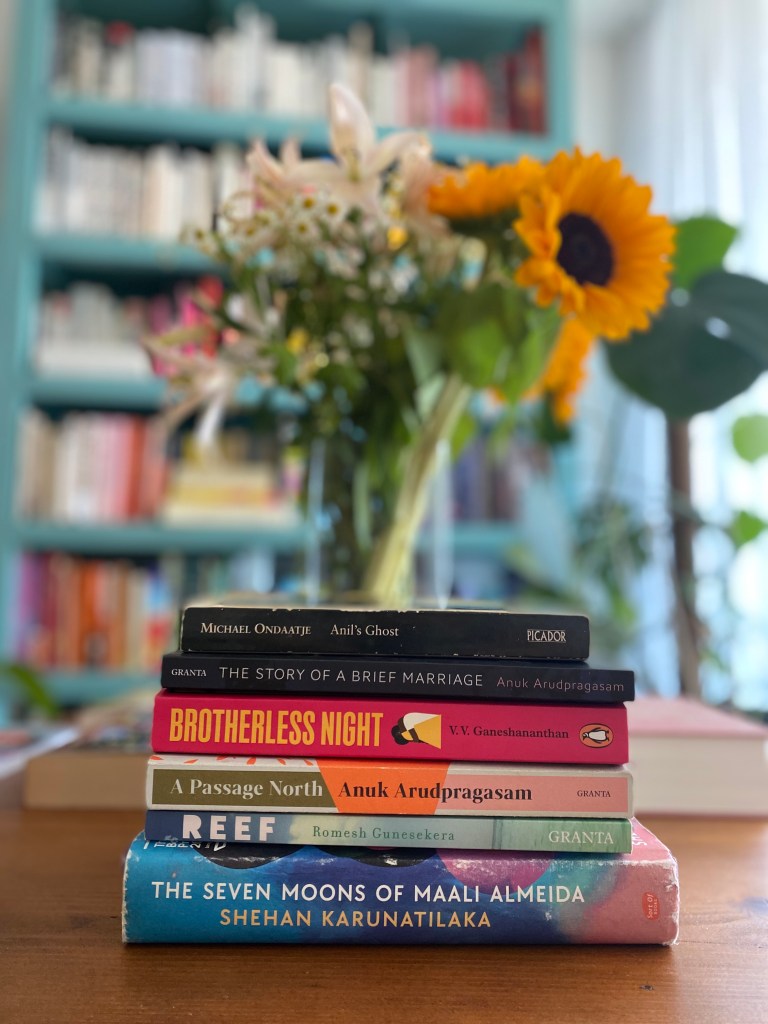
Reading Sri Lanka
This reading list has taken me years to compile – as I write in the post [These books] are moving as they are challenging – the craft, depth, nuance and heart kept me engaged, furious, haunted and above all grateful to all of these authors for giving me back missing parts of myself.
You can read the full review here.
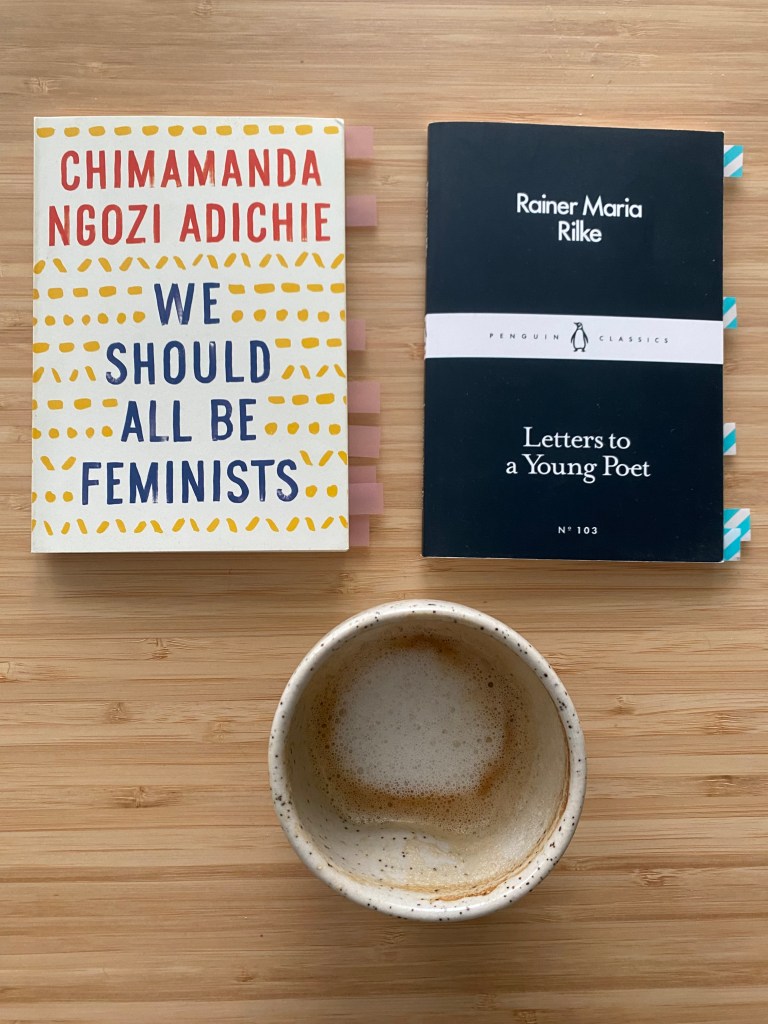
Tooth-aching levels of wisdown. I don’t need to say anything more as these small but mighty tomes speak for themselves. Wisdom and philosophy, we all really ought to make more time for it in our lives…
Books to escape reality with…
If one craves a touch of escapism, these these titles will help your mind prolong its visit somewhere cosy or exciting
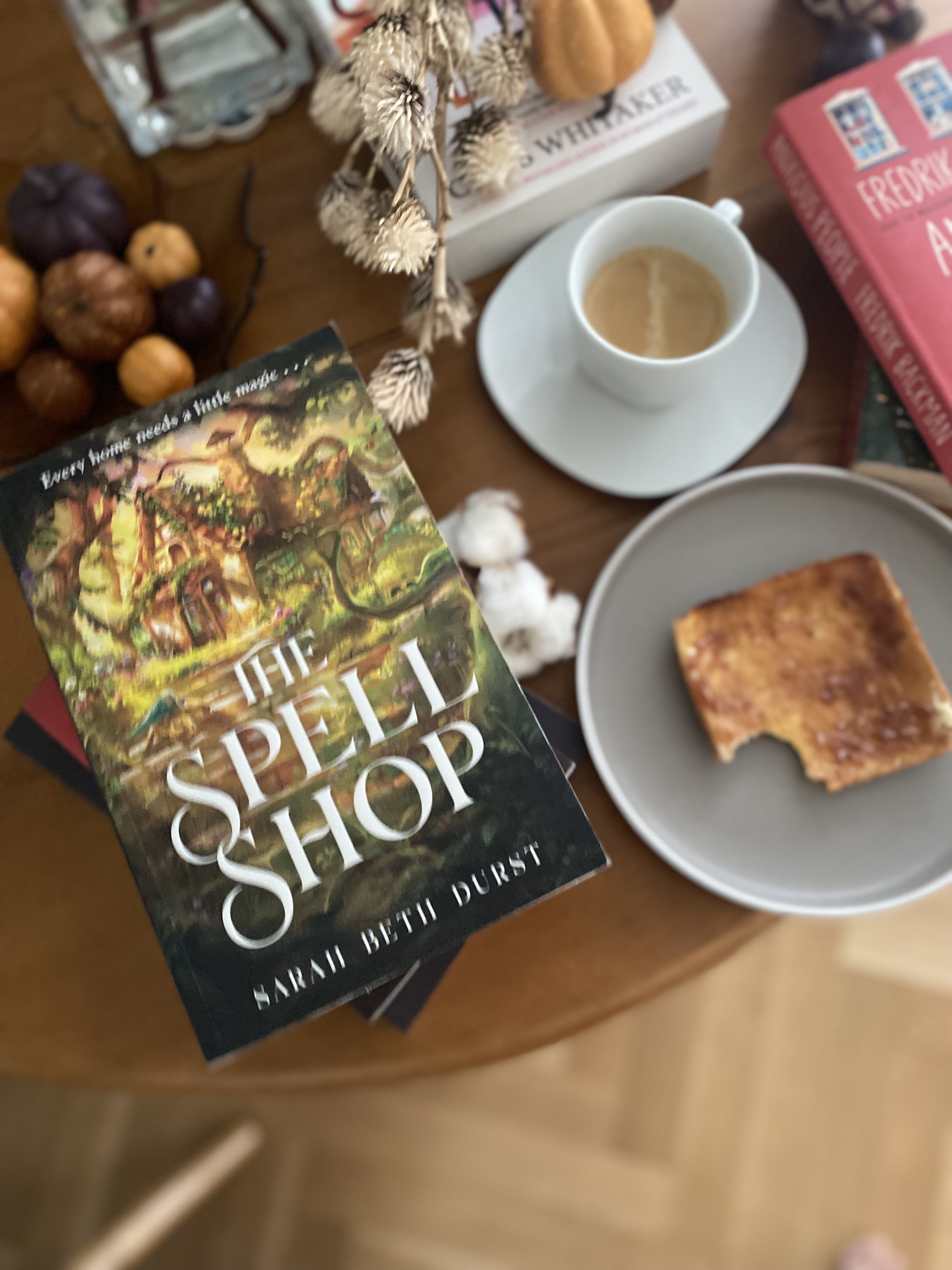

- The Spell Shop by Sarah Beth Durst Cosy, cottage-core, fairytale-leaning fantasy. Side-kick is a talking spider-plant.
- Margo’s got Money Troubles by Rufi Thorpe Young protagonist has a baby by her college professor, turns to OnlyFans to pay the bills, and rebuilds a relationship with her estranged father, an ex-wrestling champion who ends up being an asset when it comes to storytelling in her new vocation.
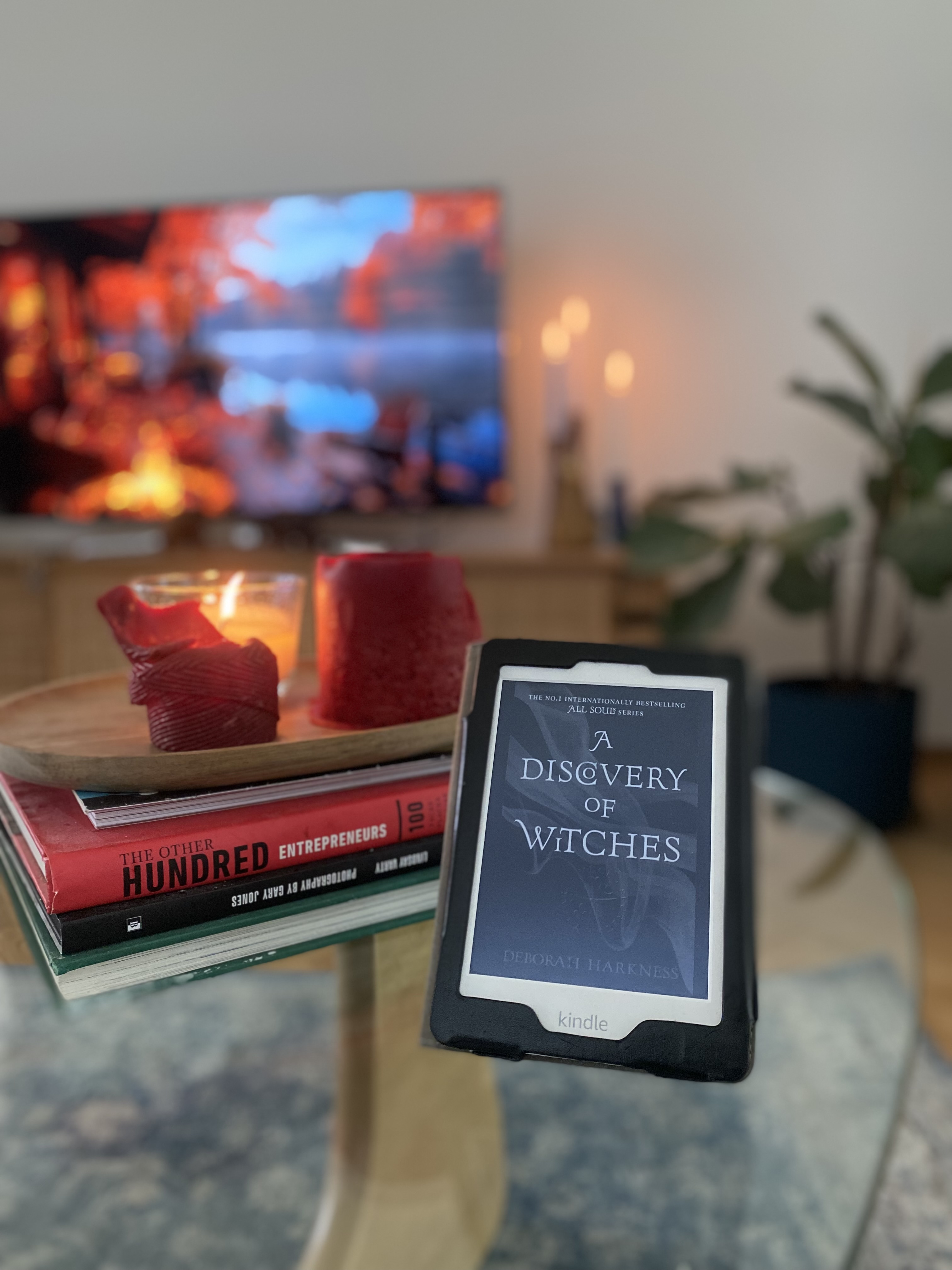
- All Souls Trilogy by Deborah Harkness The only 5* read that didn’t make my best read this year. Why? A Discovery of Witches was brilliant, immersive, fun and Twilight for adults. The subsequent books did not appeal to me in the same way but is great escapism all the same.
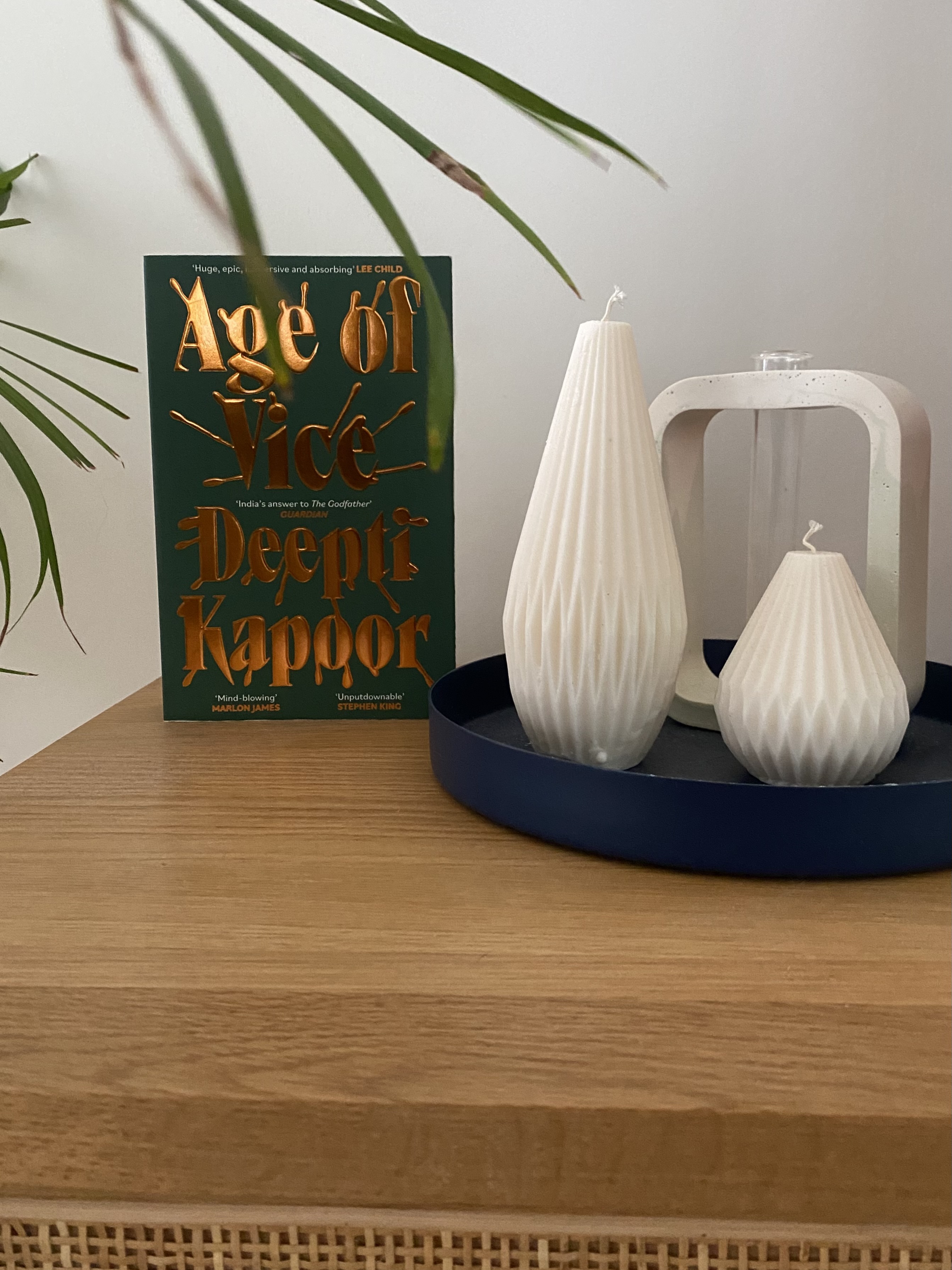
- Age of Vice by Deepti Kapoor Three interconnected stories in a fast-paced, at times harrowing novel about ambition, crony capitalism, political gangsters and the coming of age of modern India.
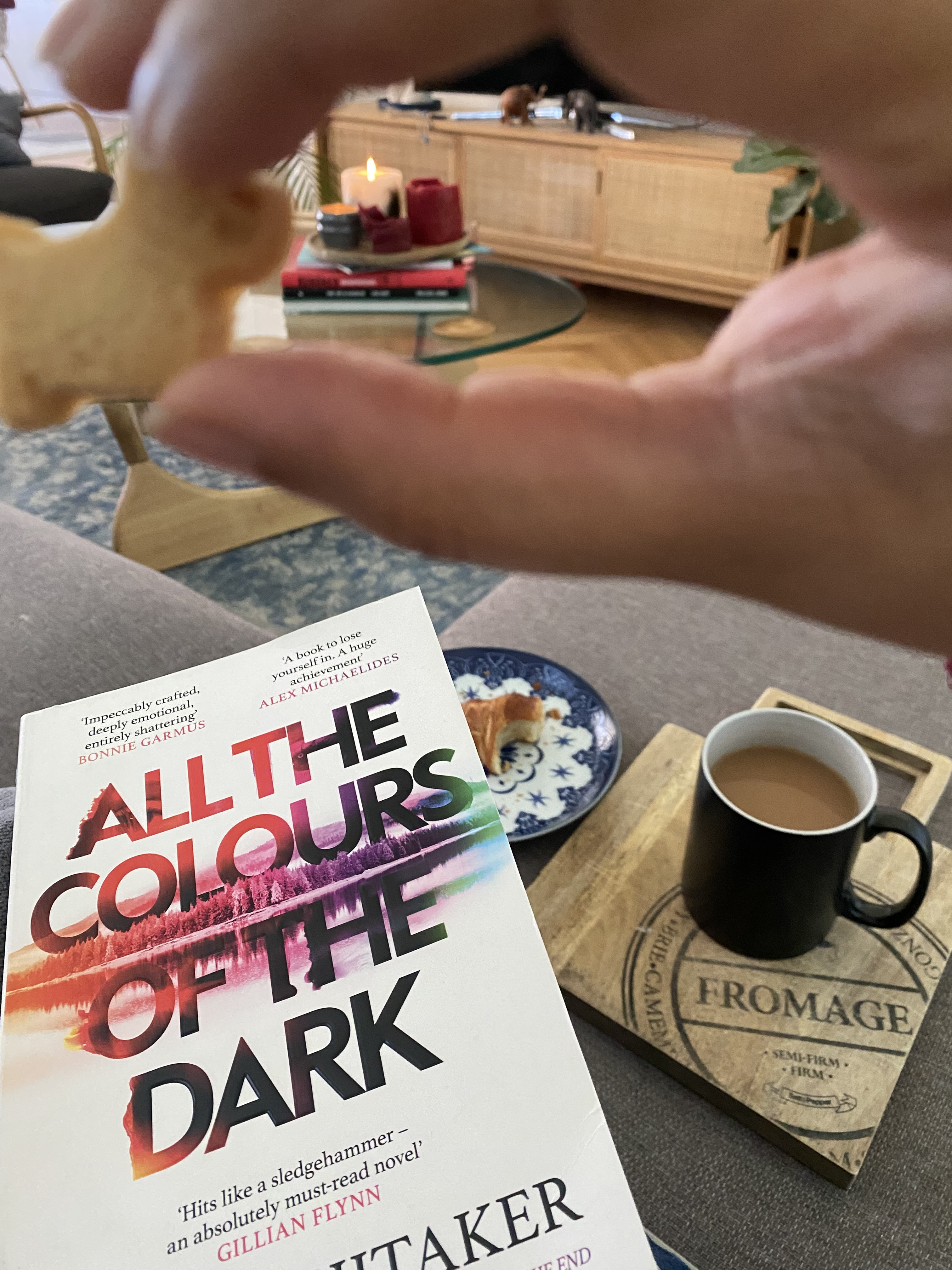
- All the Colours of the Dark by Chris Whitaker Deeply immersive serial killer crime novel. Excellent writing.
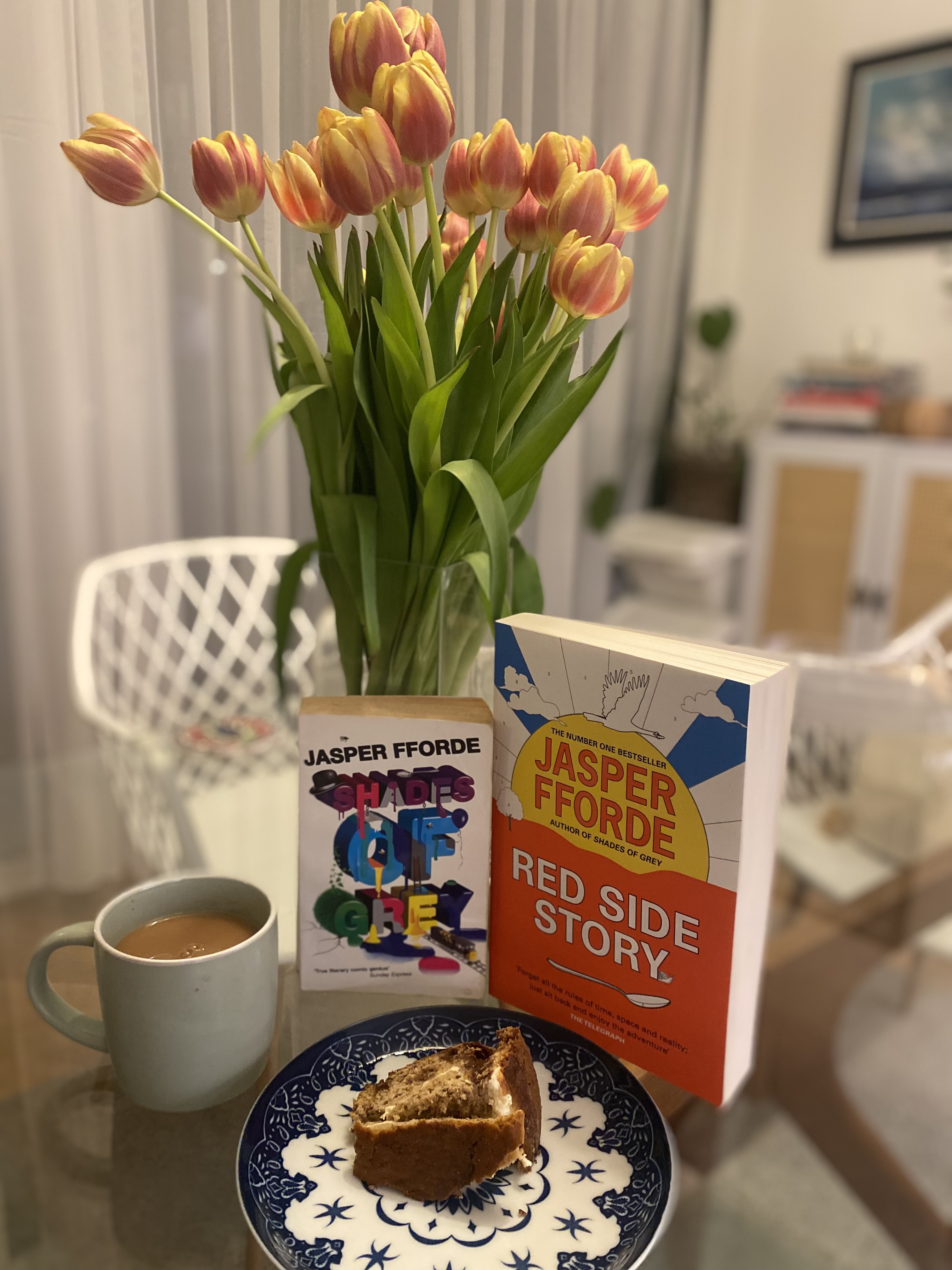
- Shades of Grey & Red Side Story by Jasper Fforde as alt reality novels go – what the hell did I just read? Terribly distracting and funny, and worth the 14 year wait between novels.
- A Psalm for the Wild Built by Becky Chambers if this is for you, you will love it, if not – dealer’s choice. I found it gentle, wise, glorious. The ultimate comfort read. It’s short, unpretentious – asks big questions but untangles any mental load from it.




 Nashua Gallagher